Access our data with the Cooper Hewitt API
Design Data at your fingertips
APIAPI (Computer Science) Application Programming Interface – a facility to allow a computer or application to access the data and/or functionality of another computer system or application is the acronym for Application Programming Interface, which is a software intermediary that allows two applications to talk to each other.
Our GraphQLGraphQL (Computer Science) GraphQL is an open-source data query and manipulation language for APIs API is the gateway to access the museum’s rich data for use in any kind of applicationApplication (Computer Science) A computer software unit that provides functionality for particular use, limited only by your imagination.
Using the API, people have built amazing interactives, derived deep insights about our collectionCollection (Museology) Museums are distinguished by their collection of unique objects that form the core of their activities for exhibitions, education, and research., and helped others explore design through their own creations.
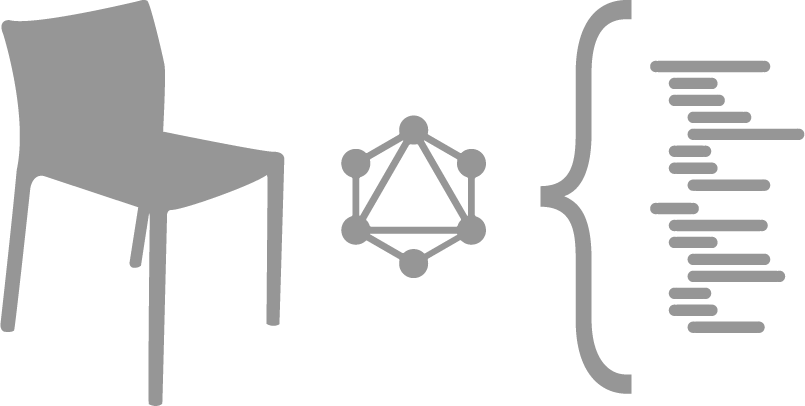
So what’s in this diverse Collection?
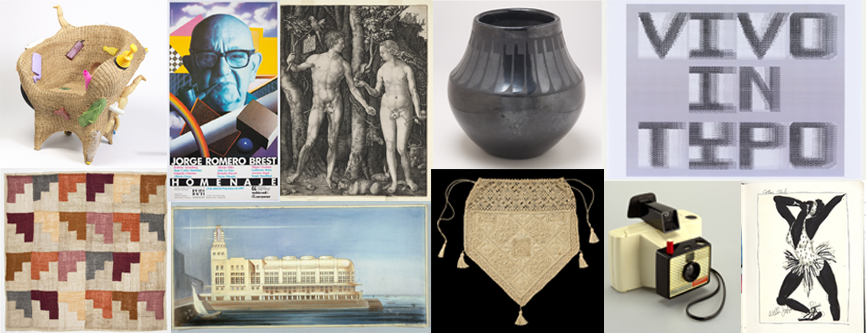
Steward of one of the world’s most diverse and comprehensive design collections—over 215,000 objectsObjects (API) The dataset containing all objects held within the Cooper Hewitt's online collection that range from an ancient Egyptian faience cup dating to about 1100 BC to contemporary 3D-printed objects and digital code—Cooper Hewitt welcomes everyone to discover the importance of design and its power to change the world.
215k
Objects
30
Centuries of design
27k
Creators and connected people
20k
Works on paper
What you’ll find in an ObjectObject (Museology) Artefact or specimen held in a museum collection. (Computer science) A software "bundle" consisting of a set of variables which define the states the object can exist in and a set of functions that define its behavior. RecordRecord (Computer Science) A unit that groups together related items of data, for example all the fields that represent a museum collection object
The Data that’s returned from our API comes back as structured JSONJSON (Computer Science) JSON (JavaScript Object Notation) is a structured format for data that is lightweight (does not contain a lot of markup) and easy to parse.. Not to be confused with the Computer Science term ‘Object’, the API offers deep information about Museum Objects from the collection. These objects can be sorted in a number of ways. API users can also develop complex searches with multiple search and sort criteria that can help group objects by any number of fieldsFields (Computer Science) The smallest container of information in a database. A field is named, e.g. "Title" or "Date" and each record contains a group of fields..
Objects

The collection covers 5,000 types of objects including:
Drawings
Chairs
Posters
Creators

The museum has a record of over 19,000 Creators including:
Designers
Manufacturers
Artists
Periods

The collection covers 30 centuries of design including:
19th Century
Mid 20th Century
Renaissance
Using the GraphiQLGraphiQL GraphiQL (note the "i" in the word) is an open source graphical interface used to query GraphQL APIs. You can use GraphiQL in our Try It Out section. – the interactive explorer
GraphiQL is the GraphQL integrated development environment (IDE). It’s a powerful (and all-around awesome) tool you can use right in the browser to learn how to use our API, and to learn more about our data.

Play with API queries
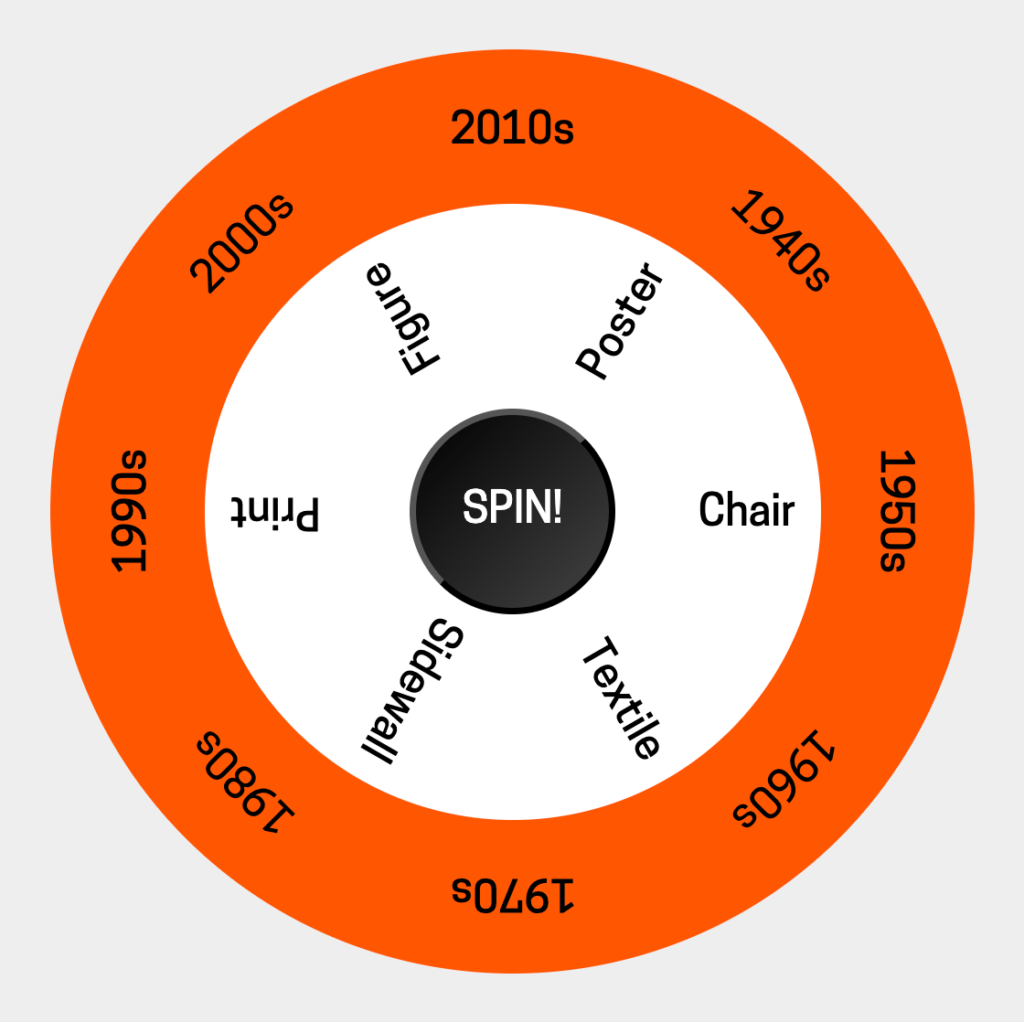
Take your chances with our interactive GraphQL API queryQuery (Computer Science) A query is a request for data or information from a database table or combination of tables, or an API that manages access to those tables generator. Let the spinning wheels choose a type of object and a period and then show you how to query the data for them. You can even submit the query directly from this mini-application and see what the results will look like.
Object Samples
A small selection of the varied and fascinating objects waiting to be discovered in the collection.
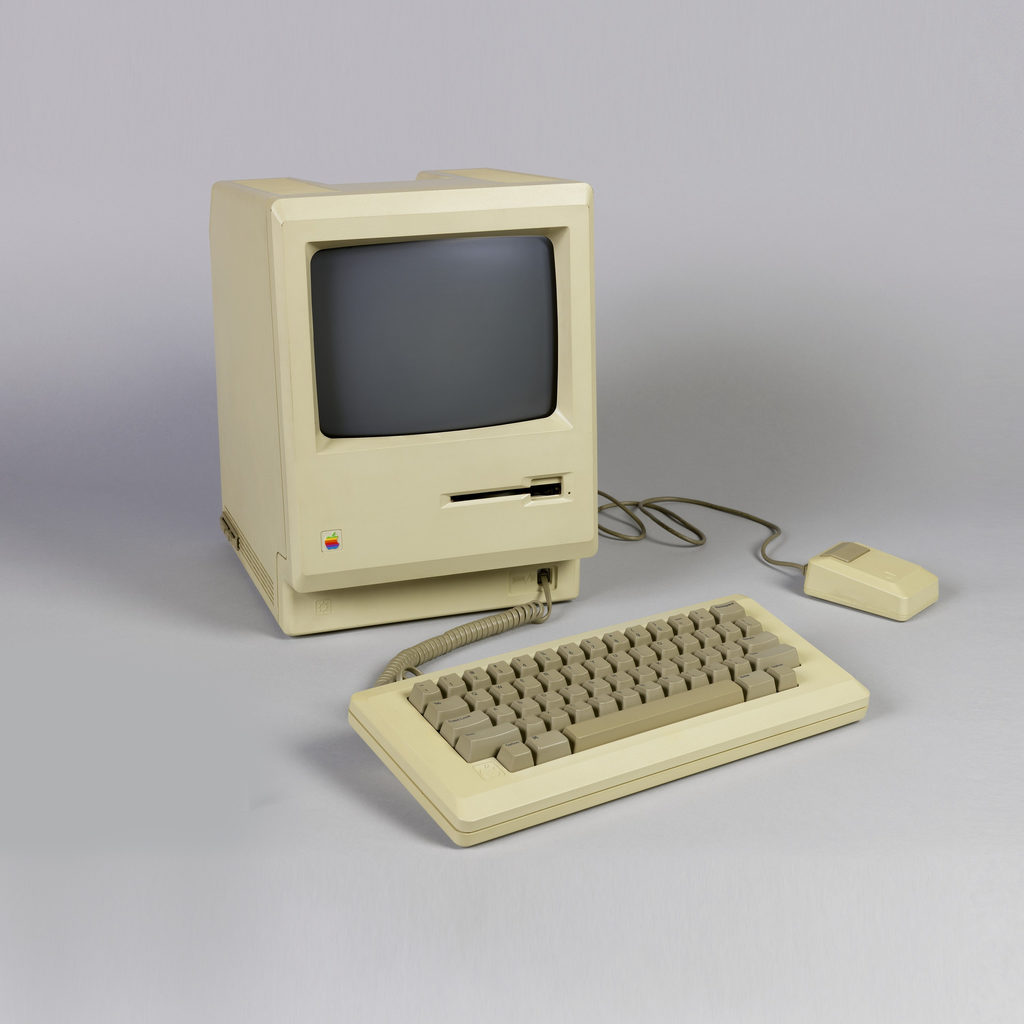
- TitleTitle (Museology) The name given to the design or work of art.: Macintosh
- Type: Personal Computer
- Manufacturer: Apple Inc.
- Year: 1984
- MediumMedium (Museology) Description of the material quality of the object or technical means of artistic expression, or production (such as metal, plastic, paint and canvas, sculptural stone, or code): molded abs plastic, glass, electronic components
- DepartmentDepartment (API) The section of the museum that an object is associated with.: Product Design and Decorative Arts
- Accession NumberAccession Number (Museology) When an object is accessioned it receives a unique identifier called an Accession Number. These numbers may codify the year the object was accessioned, the department, or if the object is part of a series of objects that form a whole: 1997-66-1-a/c
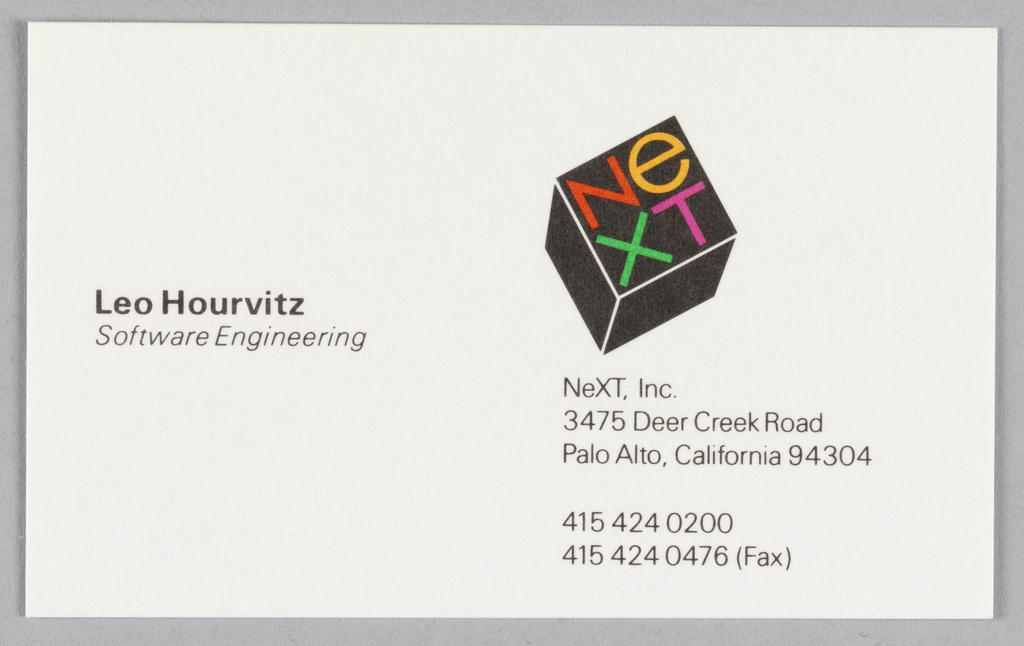
- Title: NeXT, Inc. Business Card
- Type: Print
- Designer: Paul Rand
- Year: 1986
- Medium: offset lithograph on cream card stock
- Department: Drawings, Prints, and Graphic Design
- Accession Number: 2002-11-51

- Title: Levi’s Commuter Trucker Jacket With Jacquard By Google
- Type: Jacket
- Designer: Ivan Poupyrev
- Producer: Levi Strauss
- Manufacturer: Levi Strauss
- Year: 2017
- Medium: cotton, conductive yarn
- Department: Textiles
- Accession Number: 5846.1.2017
Understanding Museum Data
The JargonJargon (Museology) (Computer Science) Jargon is the specialized terminology commonly used with a particular field or area of activity but difficult to understand for people outside of that field or activity. Translator

We’ve created the Jargon Translator to define industry terms as they appear in the documentation. You can turn it on or off at any time if our glossary suggestions become too overwhelming.
Anatomy of a record
Explore an object record and get to grips with fields, fieldsets and queries.

Glossary of Terms
What exactly are we talking about when we say things like “object”? Check out the glossary for a translation…

Get the full dataset
Just want the whole thing as a CSV? Download the latest dataset from Github…

What you can do with our API
The possibilities are endless, but here are a few application ideas to get you started:
Creative apps
- A virtual treasure hunt game, multiplayer.
- Application that shows daily picture or random selection of artwork
- Create a bot that posts images of sunrise and sunset at sunrise and sunset each day.
Museum work
- Create a cross-institution exhibitionExhibition (API) A listing of exhibitions where an object was part of the display.
- Create a digital museum for those who can’t come to the museum
- Create user profiles based on interest
Visualize
- Plot trends within dataset
- Seeing fluctuations based on gender representations or locationLocation (Museology) The Location is the city, country, or region where the object was created
- Data visualizationVisualization (Computer Science) A graph, chart or other visual representation that aids the analysis or interpretation of data by geographical data
Steal this data!
Use our collection of CC0 objects to remix and get creative with a completely open license.
More about Creative Commons licensing…